
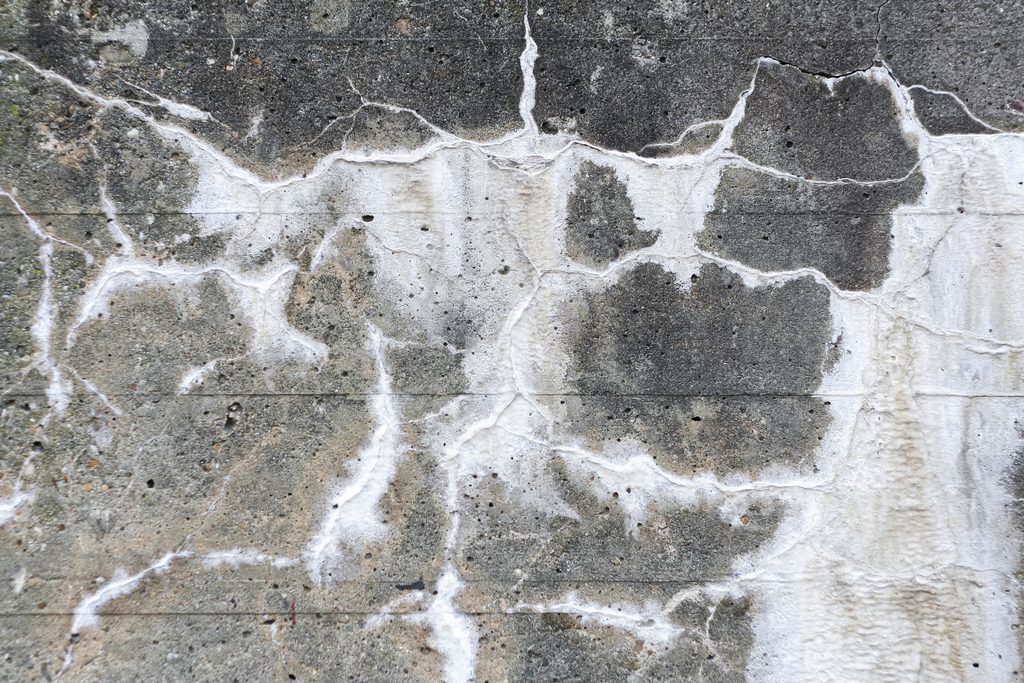
You sealed your patio or driveway so it would look rich and stay protected. A few months later, milky white patches show up, or the finish looks hazy and starts to flake at the edges. This is one of the most common complaints homeowners have about sealed concrete, and in most cases it comes down to one thing: moisture that has nowhere to go.
At Fuller Concrete Staining, we see this problem on surfabces across the South Bay and Orange County, often after a store-bought sealer or the wrong product was applied. Here’s what’s happening, how to tell which issue you have, and how to keep it from coming back.
What Causes Concrete Sealer to Turn White?
Concrete looks solid, but it’s porous. It sits on soil that holds moisture, and that moisture moves upward through the slab as vapor, especially after rain, sprinkler cycles, or a cool night followed by a warm day.
When a sealer forms a tight film on top of the concrete, that vapor gets trapped underneath. Pressure builds up between the slab and the sealer. The result is a sealer that turns cloudy or white, loses its bond, and eventually peels or flakes off.
Three things usually cause it:
- A non-breathable sealer. Thick film-forming products and many high-gloss coatings don’t let vapor escape.
- Poor surface preparation. Sealer applied over dirty, damp, or previously coated concrete can’t bond properly.
- Wrong application conditions or thickness. Sealer put down too heavy, or in damp or humid conditions, is more likely to haze.
Is It Sealer Blushing or Efflorescence?
White on concrete isn’t always the sealer’s fault. There are two different problems that look similar, and the fix depends on which one you have.
- Sealer blushing is when the sealer film itself turns milky because moisture got trapped in or under it. It often looks like a cloudy haze across a section of the surface, and it may appear in patches where water tends to sit.
- Efflorescence is a white, powdery mineral deposit. As moisture travels up through the concrete, it carries natural salts with it. When the water evaporates at the surface, the salts are left behind. Efflorescence can appear on sealed or unsealed concrete, but a sealer that traps moisture can make it worse by holding those salts right under the film.
A quick way to tell the difference: efflorescence usually feels chalky and can sometimes be brushed or scrubbed away, while blushing sits inside the sealer and won’t come off with a brush. Either way, both point to moisture moving through the slab, and both are a sign the sealer on your surface may not be right for your conditions.
How Breathable Sealers Prevent Cloudiness and Peeling
The most reliable way to stop this cycle is to use a sealer that lets the concrete breathe. A breathable, vapor-permeable sealer protects the surface from water, oil, and stains coming in from above, while still allowing moisture from the ground below to escape.
Because vapor can pass through instead of building up, there’s no pressure pushing against the sealer. That means far less chance of hazing, white blotches, or the peeling and flaking that follow.
This is the approach we take with our concrete sealing service. We use sealers that are breathable, UV stable, and renewable. UV stability helps the finish resist fading in the Southern California sun, and a renewable sealer can be refreshed later without stripping everything back to bare concrete.
Why High-Gloss Finishes Often Cause Problems Outdoors
Many people reach for a high-gloss sealer because it looks impressive on day one. Outdoors, though, a thick glossy film is more likely to trap moisture, and it dulls quickly once rain, dirt, and foot traffic go to work on it. It can also make the surface slick when wet.
For most exterior concrete, a satin finish is the better choice. It still deepens and enhances color, especially on stained concrete, without the heavy film that leads to clouding. If you do want more shine, a professional can tell you whether your surface and conditions can handle it.
Can Cloudy or White Sealer Be Fixed?
Often, yes. The right fix depends on how far the problem has gone:
- Mild efflorescence can usually be cleaned off, then the surface can be sealed with a breathable product once it’s dry.
- Light blushing in some sealers can sometimes be corrected without full removal, depending on the product that was used.
- Severe clouding, peeling, or flaking usually means the old sealer needs to come off. The surface is then cleaned, allowed to dry, and resealed with a product that breathes.
Putting another coat of the same non-breathable sealer over the top rarely solves anything. It adds another layer for moisture to get trapped under.
How Proper Prep Keeps New Sealer Clear
Even the best sealer won’t perform if it goes down on a poorly prepared surface. Before sealing, the concrete needs to be clean and free of dirt, oil, old flaking coatings, and residue so the sealer can bond and penetrate evenly. It also needs enough dry time before application.
At Fuller Concrete Staining, we clean surfaces before sealing, using pressure washing equipment where appropriate, so the sealer bonds properly. If you’re planning to add color as well, concrete staining goes on first, then a clear breathable sealer locks it in and brings out the depth of the stain.
Quick Answers About Cloudy Concrete Sealer
Why did my sealer turn white after it rained? Moisture likely got trapped under a sealer that doesn’t breathe. Rain and wet soil push vapor up through the slab, and a tight film holds it in.
Will the white haze go away on its own? Sometimes light hazing fades as the surface dries out, but recurring or heavy clouding usually means the sealer needs attention.
Is efflorescence harmful to concrete? It’s mostly a cosmetic issue, but it’s a sign moisture is moving through the slab. Trapped moisture is what leads to peeling sealer.
How often should exterior concrete be resealed? It depends on the product, the traffic, and the sun exposure. A renewable sealer makes future refreshes simpler and more affordable.
Get Clear, Long-Lasting Protection for Your Concrete
If your sealed concrete is cloudy, white, or peeling, the problem usually isn’t the concrete. It’s the product or the prep. The good news is that the right sealer, applied correctly, can give you a clear finish that holds up through sun, rain, and daily use.
Fuller Concrete Staining has been caring for concrete in the South Bay and Orange County for decades, and we’ll help you figure out what’s going on with your surface and the best way to fix it. Call 310-944-9099 today to request a free estimate.